Seven days of Pelješac
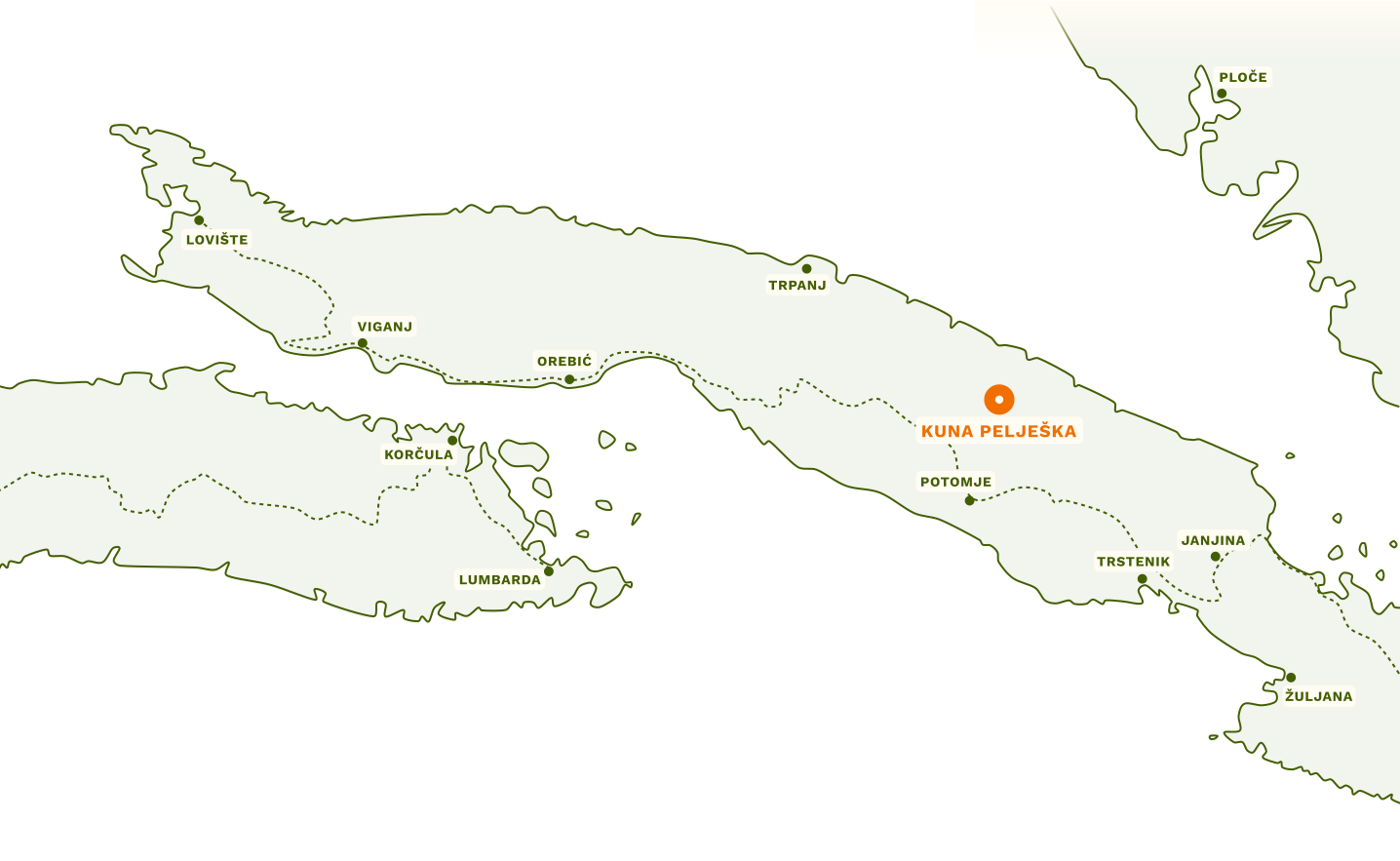
To start with – you've arrived in Kuna – so it's time to get to know this small, picturesque village. You may be surprised to find that our agrotourism is located right in the centre of the village, rather than somewhere remote, but to understand this it helps to know that Kuna, like all of Pelješac (formerly known as Rât, like our local football club), was once part of the Dubrovnik Republic. In this area, serfdom was the norm, so houses were built close together for protection and to preserve the precious agricultural land that sustained the local population.
That is why our farm today sits above the village itself (on the road towards Crkvice), while the donkey ranch is right next to the parish church of Our Lady of Loreto.
Day 1 – Welcome to Kuna
In the afternoon, stroll down to our donkeys at the ranch by the Church of Our Lady of Loreto, and feel free to walk a little further along the picturesque wine road between Kuna and Potomje. On the way back, pass through the Celestin Garden – a park dedicated to the painter Mato Celestin Medović, born in Kuna. Next to it stands the Church of the Assumption of Mary, one of the oldest on the peninsula.
Before dinner, pop into the Violić wine shop on the main street for a glass of excellent Plavac, Grk or Rukatac, then join us for dinner. A platter of prosciutto and cheese as a lighter option, or peka for something more substantial – either way, homemade and delicious.
Day 2 – Beaches of Central Pelješac
The most beautiful beach in the area is, as its name suggests, Divna – crystal clear water, a small beach bar and a true oasis of beauty. From Kuna it's about a 20-minute drive, and just five minutes further is the village and beach of Duba, equally beautiful but larger and with more shade under the tamarisk trees. For the adventurous, the journey can continue on foot along the trail from Duba to Jezero beach, unique for the way a lake flows into the sea across the beach.
Closer to Kuna are the slopes of Dingač and the lovely cove of Borak, which aside from a nice beach also has two excellent dining spots: OPG Braenović, where you can eat superb fish in the shade of pine trees, and Restaurant Matuško, also with a great selection of fish and good pizzas, plus one of the most stunning sunset views you can experience on Pelješac.
Day 3 – Pelješka Župa, the Wine Capital
The third day is for wine lovers. Visit some of the larger wineries in Potomje – Matuško, Miličić or Madirazza – then call in at some of the more authentic producers such as Vedran Kiridžija or the Bura Mrgudić winery. In the afternoon you can head down to Trstenik for a swim, and then wine tasting at the Grgić winery – this village is also a good option for a light dinner. When you return to Kuna in the evening, don't forget to look up at the sky, because… well, you'll see for yourself.
Day 4 – Korčula, the Island Across the Sea
The ferry from Orebić to Korčula takes fifteen minutes. Explore the old town in the morning – narrow streets, a bustle of tourists and the birthplace of Marco Polo. For breakfast, pop into ČizPliz or Choco and Pepper. From Korčula you can also catch one of the small boats that head to the nearby islands: Vrnik, Badija or Stupe. Badija is especially magical as it is home to deer and does that children can feed. Žrnovo and Lumbarda are also well worth a visit, and you can venture all the way to the far end of the island to Vela Luka and Blato.
If you want to swim, Pupnatska Luka or Bačva beach might delight you, and if you're already in Pupnat don't skip Konoba Mate – traditional cuisine but with a Michelin Green Star. In the town of Korčula itself, Adio Mare and LD are excellent restaurants.
Day 5 – Sveti Ilija and Panoramic Views
This day is for the adventurous – a hike up Sveti Ilija, the highest peak on Pelješac. Set off early in the morning, around five, as the sun rises over Ilija around seven. The climb to the first peak takes about an hour and a bit, and the view is breathtaking: Korčula, Mljet, Lastovo and Vis. Bring water, food, a hat and dress appropriately.
After the descent you deserve a treat – Croccantino in Orebić is the most famous Pelješac ice cream, and you can also have breakfast and a great coffee there. After breakfast, stroll around Orebić and admire the captains' houses, then be sure to visit the Franciscan Monastery of Our Lady of the Angels above Orebić, with its maritime museum and one of the most beautiful cemeteries in Croatia. In the afternoon you can swim at the popular Trstenica beach, enjoy excellent wine at the superb Korta Katarina wine bar, and for dinner there are several options – such as Restaurant Hrid with its extraordinary view, or Lavanda just at the edge of Orebić.
Day 6 – Lovište, Nakovana, Trpanj
On the sixth day, head all the way to the end of Pelješac, where the small village of Lovište awaits, and be sure to stop in Nakovana along the way – a Bronze Age archaeological site. Lovište is the last cove on Pelješac, one of those places that feels like the rest of the world doesn't know it exists. For lunch, visit Restaurant Barsa – they won't hand you a menu, they'll simply tell you what's good to eat that day. Spend the afternoon in Trpanj, swimming at Žalo or Luka beach, then return to Kuna for a homemade dinner.
Day 7 – Ston, Walls and Salt
On the last day, head to the other end of Pelješac, to Ston – beautifully restored after the 1996 earthquake, its walls are the second longest in the world. The climb takes around an hour and a half, and the view is worth every step.
Be sure to visit the Ston Saltworks – one of the oldest salt pans in Europe, where salt is still harvested by hand as it was seven hundred years ago.
Mali Ston is a few minutes further, a fishing town famous for the finest oysters, and you'll certainly find them at Restaurant Bota Šare. On the way back, stop in the village of Putnikovići, home to a Wine Museum and several family wineries with excellent Plavac and olive oil.
The week closes with a farewell dinner at Agroturizam Antunović – over a final bottle of Plavac and a promise that Pelješac, like most truly special places, calls you back again.
Travel Tips
- Always book ahead – especially at smaller restaurants and family wineries.
- Bring cash – many smaller places don't have card readers.
- Drive carefully – the roads are narrow, winding and often full of cyclists.
- Ask the locals – for everything you want to know that isn't written in any guidebook.
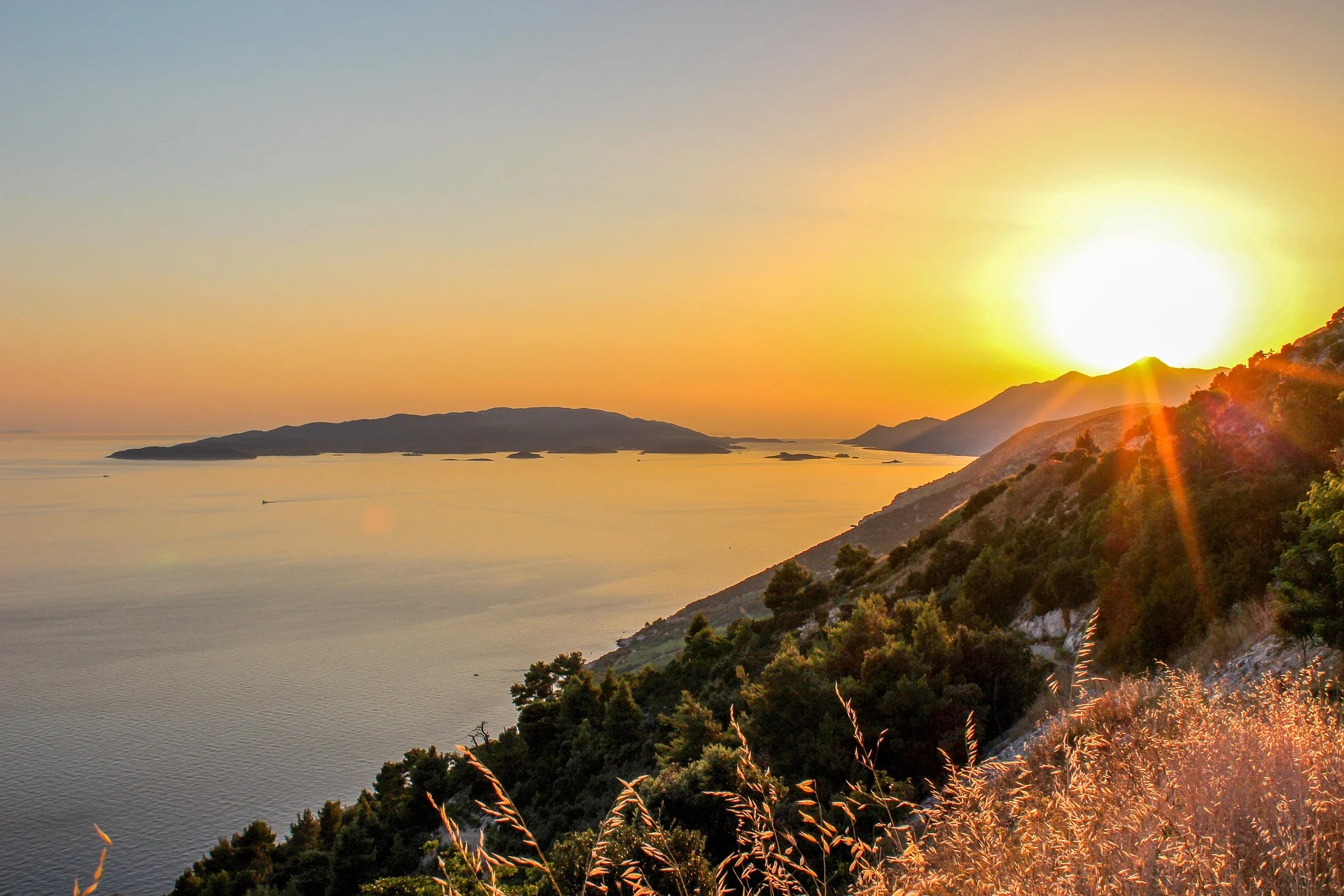
Image by Ivan Bagić from Pixabay
•
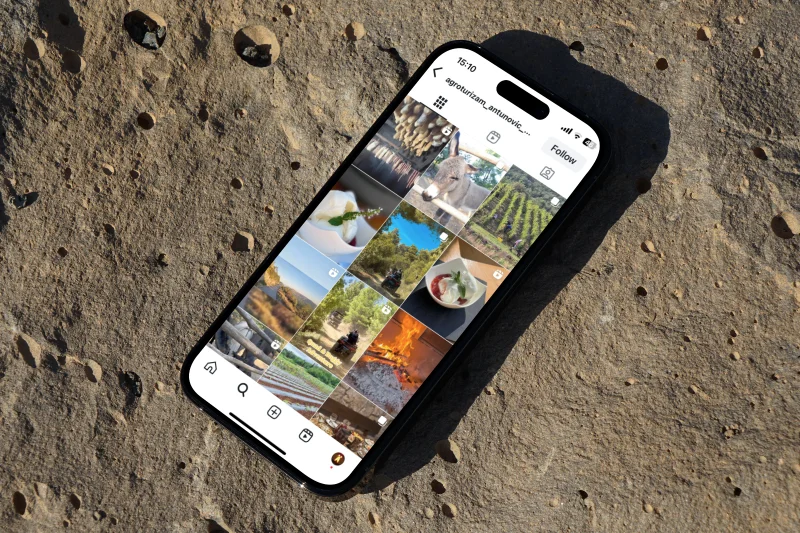
Follow us even when you're not here!
+385 98 9987 679
